Close-up of industrial power electronics equipment

Engineering Foundations &
R&D Capabilities

Combining advanced power electronics design with dynamic energy informatics to build scalable, resilient distribution grid technologies.

Our Approach

From deep-tech R&D to scalable
energy infrastructure

Our core expertise spans the full spectrum of modern energy systems from physical power conversion hardware to predictive software modeling. Born out of rigorous deep-tech research, we translate complex engineering concepts into practical, field-validated technologies.

By uniting custom power electronics design with advanced energy informatics, we deliver integrated solutions that enhance grid stability, optimize energy flows and support clean energy integration. Our multidisciplinary approach equips grid operators, smart cities and research consortia with the flexible tools needed to manage modern energy networks.

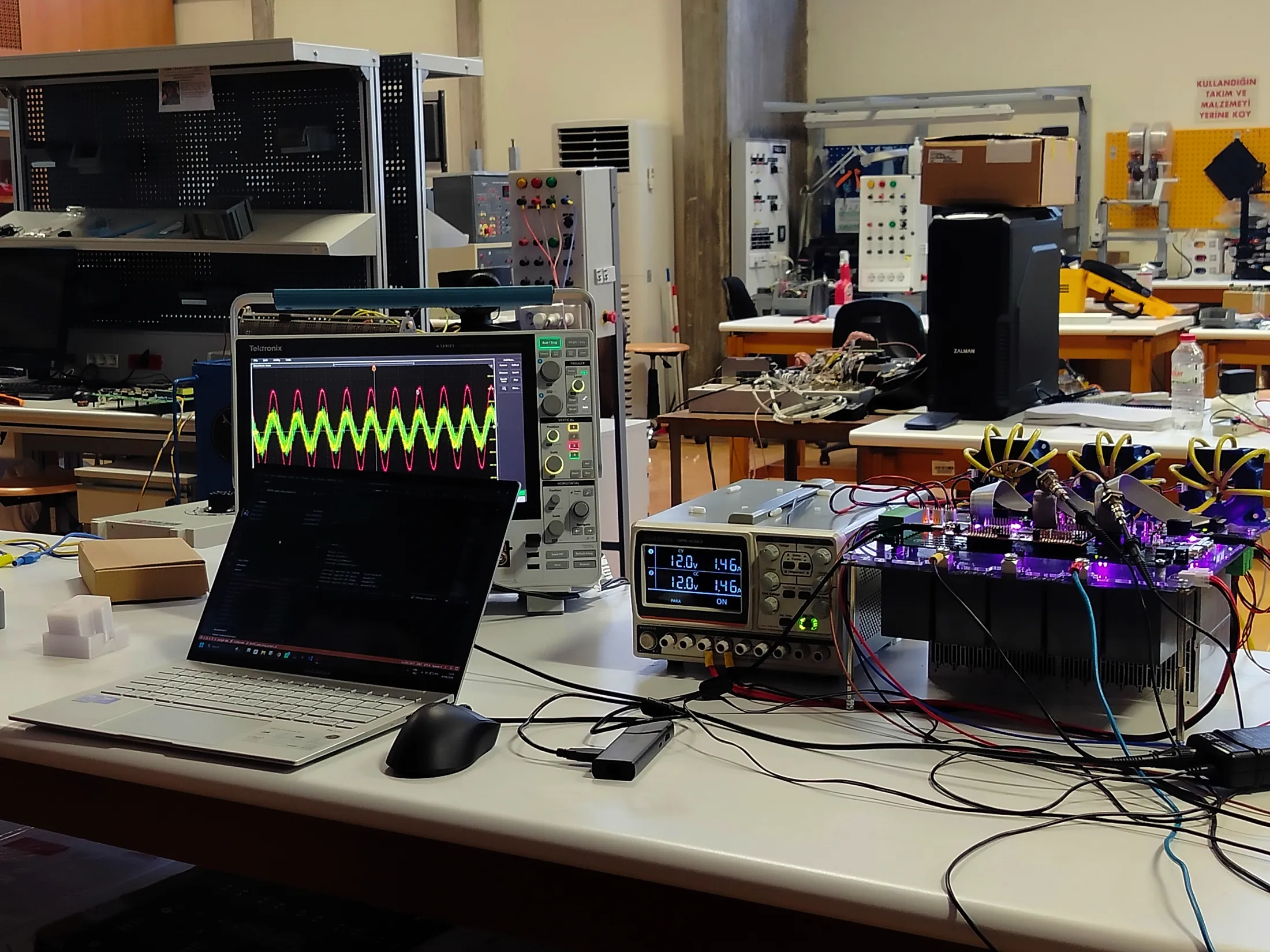
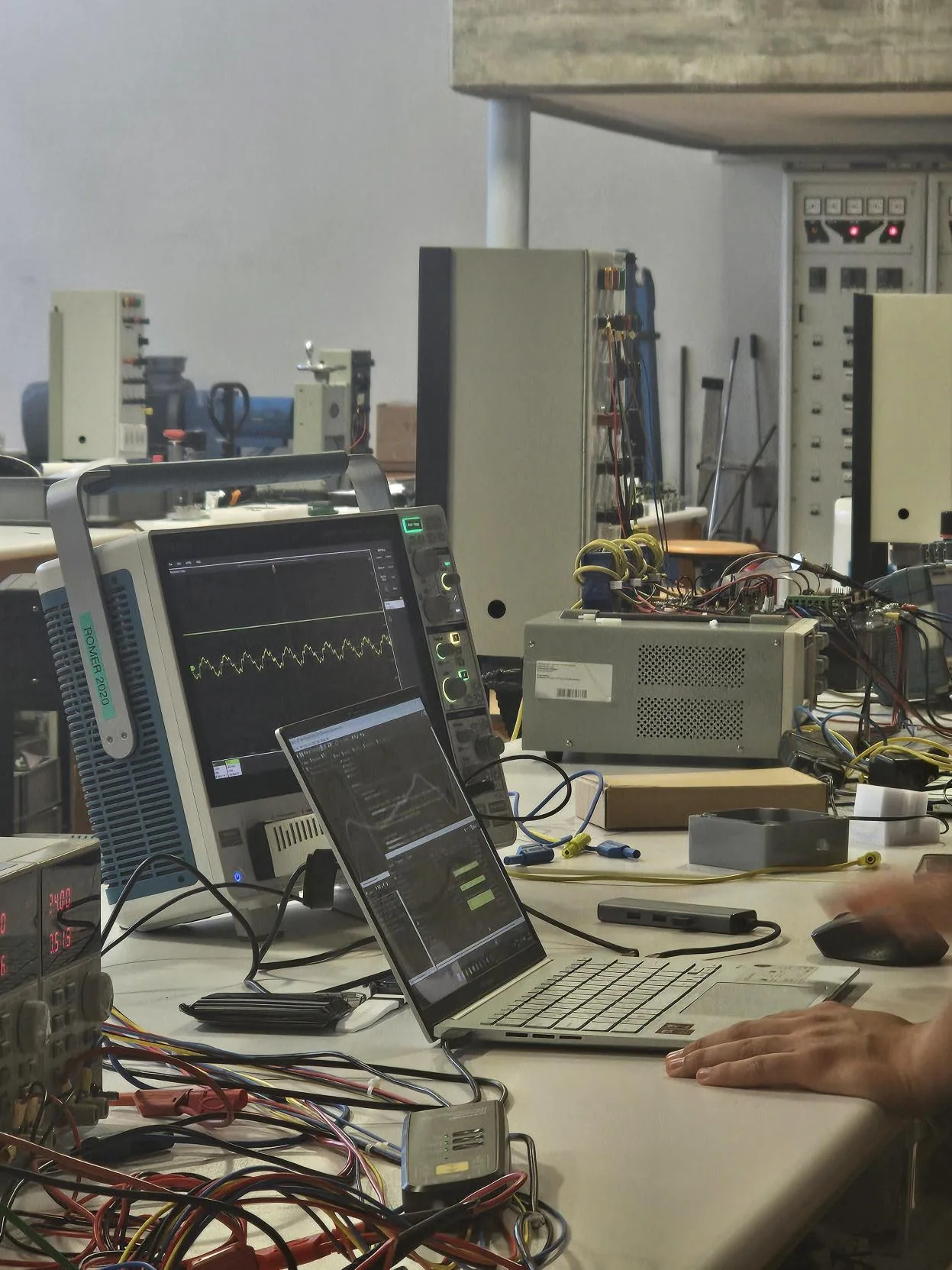
Prototype power electronics and measurement equipment in the Novator laboratory

Core Capabilities

End-to-end technology stack designed
for modern power grids

We bridge physical power conversion hardware with advanced analytical software engines, transforming academic research into field-validated infrastructure solutions.

Pillar 01 — Physical Infrastructure

Power Electronics & Embedded Systems

Designing high-density, grid-tied power electronics, dynamic converter topologies, and deterministic embedded control firmware for low and medium-voltage distribution systems.

Converter Topologies & Thermal Optimization

Silicon Carbide (SiC) and IGBT-based Back-to-Back (B2B) converter designs tailored for low loss, high power density, and continuous active/reactive power control under variable grid loading.

Embedded Control & Interoperability

Real-time DSP controller loops supporting seamless grid synchronization and compliance with industrial communication standards for SCADA integration.

Pillar 02 — Digital Intelligence

Energy Informatics & Analytical Engines

Engineering numerical solvers and state-space differential models to simulate urban campus energy flows, multi-storey building thermal dynamics, and microgrid interactions.

State-Space Modeling & Numerical Solvers

High-accuracy mathematical modeling of building thermal-electrical equivalents, enabling precise baseline energy predictions and dynamic heating/cooling load analyses.

Automated Data Pipelines & Web Integration


Robust batch file processing systems for multi-directory CSV data ingestion, statistical validation, and REST API exposure to intuitive web frontends.

Collaborations

Field-proven alongside the operators who run the grid

Translating academic R&D into field-proven value alongside leading power distribution operators, defense industry leaders and industrial partners.